Production Technology
PMX Labs Sp. z o.o., 60-750 Poznan, Poland
Types of additive dosing systems in AAC production
Loading...There are a few types of systems commonly used in AAC factories, i.e. time-based systems, flow-based systems, and weight-based systems. They vary in set-up cost, precision of dozing, and ease of maintenance. Regardless of the type, the objectives are common:
· precise dosing of ±20 g,
· ease of maintenance,
· effective calibration,
· integration with the control system of the plant.
Some additives clean aluminium and are therefore dosed to its batching unit. Other additives treat the mix, especially those enhancing the chemical reactions and allowing for precise reductions in raw materials – these types of additives are dosed straight to the mixer. The dosage follows the liquid inputs (water, sand slurry, return slurry) prior to addition of the dry materials (gypsum, lime, cement). If it is not possible to access the mixer, an alternative solution is to add the additive to a production weight slurry or the water tank.
General remarks
Depending on the mould size and the density of the final product, the dosage is usually withing the following ranges:
· 50-250 g for chemicals treating the aluminium,
· 100-1000 g for stabilizers and soaps,
· 600-1500 g for dedicated liquid additives for production optimisation.
The density of such liquids is usually in the range of 1000-1300 g/dm³.
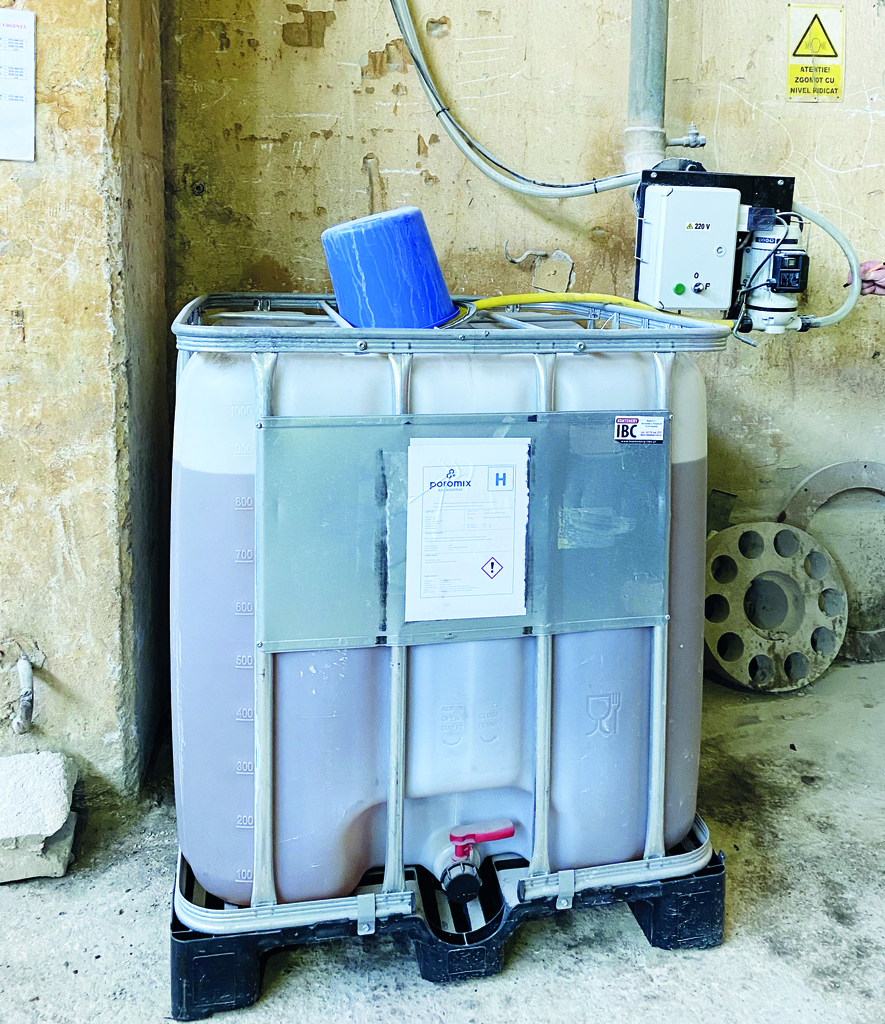
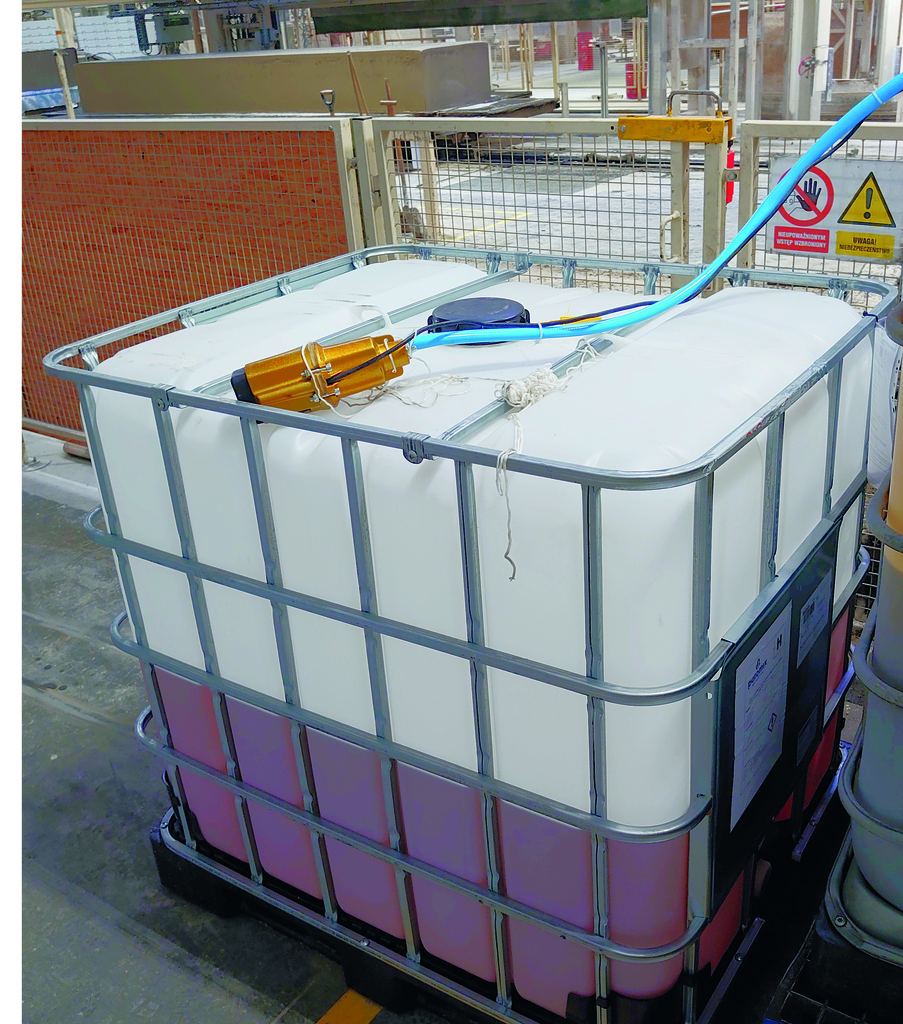
Any type of dosing system requires a pump and a hose system. A pump can be submerged into the additive tank or operated externally. It is advisable to install a return valve at the bottom of the additive system. This ensures that when dosing is not taking place, the hoses remain filled with the additive, preventing the liquid from flowing back into the tank.
The additive can be collected from an IBC through a top latch or a bottom valve containing a special adapter for the hose.
Regular flushing with water ensures smooth operation and easy maintenance. It is highly recommended to take this into consideration before any planned production interruption or weekend downtime.
Time-based systems
This is the most basic dosing system, consisting of a pump activated for a specific duration of time. The amount of additive pumped during this time is the dose. Its size is calibrated through setting the time of pump operation. Changing the dose requires a re-calibration, therefore a fixed dose is preferred.
In case of multiple recipes with varying additive dose, this type of dosing system has a clear disadvantage.
These are simple systems carried out by the factory electricians, which makes the maintenance easy – this is the greatest benefit.
Regular calibration and checking of actual dosing amount is recommended.
Flow-based systems
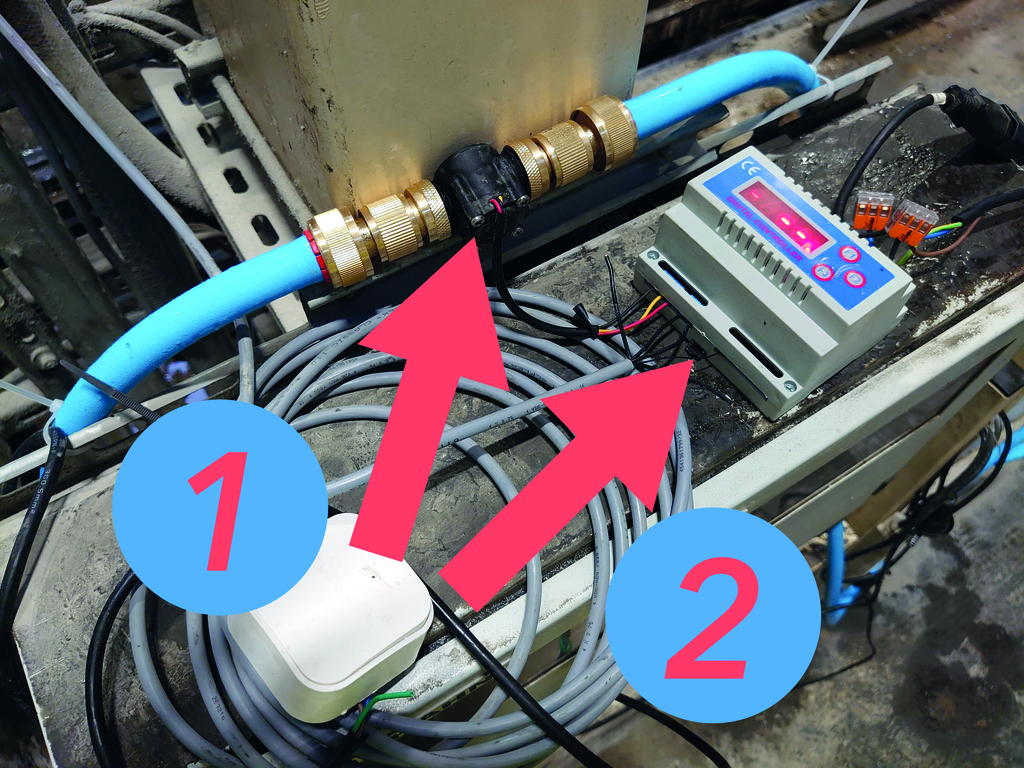
Flow-based systems are an evolution of time-based systems. A control unit is introduced and, through a connected flow meter, measures the dose with greater precision by counting the impulses from the meter.
The control unit operates the pump, and the system is triggered by a signal from the Mixing Tower Control system. The programmed variable is the number of impulses from the flow meter, allowing multiple doses to be programmed.
Due to the flow meter in the system – as an additional device in contact with the chemical – it is especially beneficial to flush the system regularly. As with other systems, regular calibration and checking are recommended.
Weight-based systems
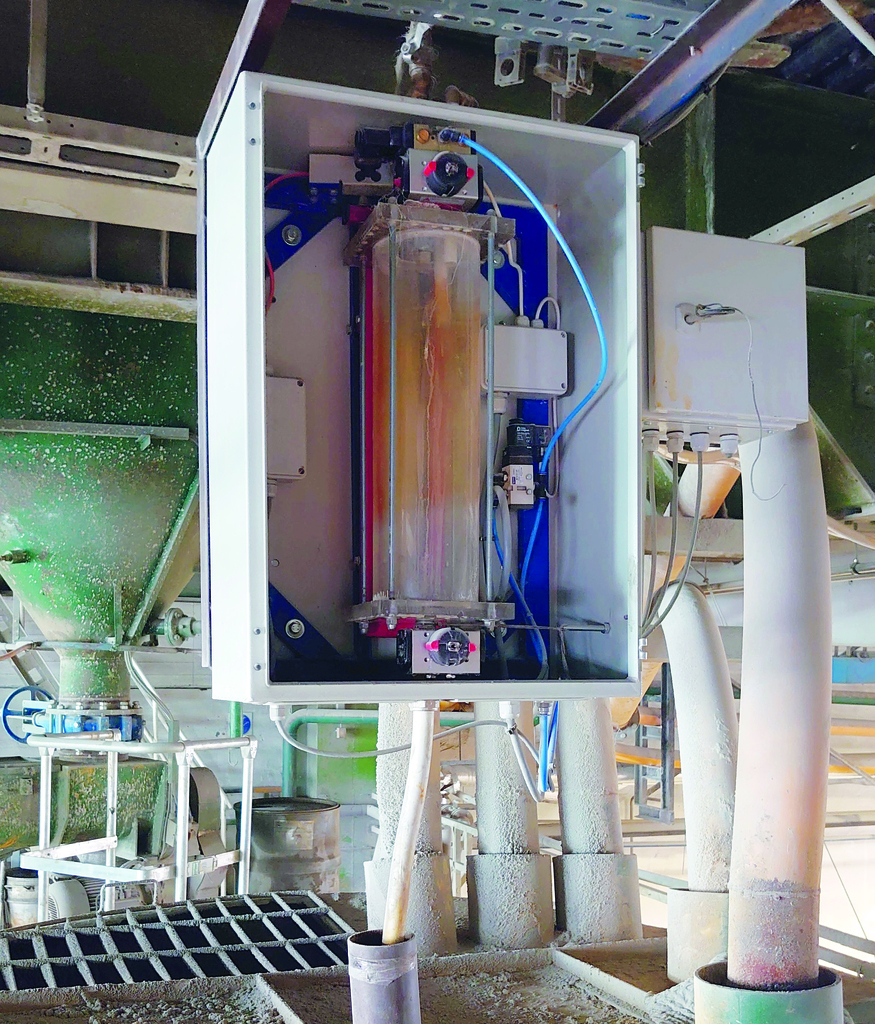
This is the most precise dosing system. With the right integration with the Mixing Tower Control system the size of the dose can be adjusted separately for each mix recipe. However, it requires the most hardware. The heart of this system is a cylinder where the dose of an additive is prepared.
· The load cell measures the change in weight, therefore a precise dose in grams can be determined.
· The system begins operation with the first signal from the Mixing Tower Control system.
· The pump is operated by a control unit waiting for input from the load cell.
· Once the cylinder is filled with the set amount of additive (determined by weight), it waits for the second signal from the Mixing Tower Control system to dispatch the dose.
· Upon release of the liquid, water is injected into the cylinder to flush the system; the water is dosed together with the additive.
The weight-based system has its origins in the concrete industry, where chemical additives have been used for years. This is the most expensive system to set up and requires skilled automation or a mechanical engineer. Alternatively, a readily available solution can be purchased from specialized companies.
The PMX Labs team suggests asking for a contact in a local concrete batching plant. Although such plants might use more sophisticated systems with multiple additives used at once or for bigger volumes, the supplier can find the right solution for an AAC factory. A single-additive system with less than 2000 g per batch dosing will be the simplest variant for such supplier.
Summary
A dosing system is essential equipment that enables the automated and controlled use of liquid chemicals in the production process. Since additives can provide significant benefits, it is important to have a system that is comprehensive, easy to maintain, and sufficiently precise. In the most modern AAC plants constructed today, additive dosing systems are included as part of the standard set-up.
Installing a new dosing system may initially seem overwhelming for a plant; however, additives are among the simplest ingredients to dose in the process. The additive dosage is typically smaller than the amount of aluminum used per batch, and plant teams therefore often have the capacity to install an additional dosing system of the selected type. After all, an AAC plant is essentially a large batching plant in which tons of raw materials are measured and dosed in every production cycle.
PMX Labs, as a producer and distributor of Poromix additives, is available to provide consulting and support in selecting appropriate solutions for dosing systems.